Areas of Expertise

Liver Diseases (Hepatology)

Most liver diseases progress for a long time without symptoms. For this reason, blood tests and ultrasound findings are important. This page is for general information; please consult your physician for diagnosis and treatment.

← All areas of expertise

Symptoms that need prompt assessment

  • Yellowing of the eyes or skin (jaundice)
  • Vomiting blood or passing black, tar-like stools
  • Sudden abdominal swelling, abdominal pain or fever
  • Confusion, unusual drowsiness or a change in behavior
  • Rapid swelling of the legs and abdomen in known liver disease

With severe or rapidly worsening symptoms, go to the nearest emergency department without waiting for an appointment.

Liver Diseases (Hepatology)
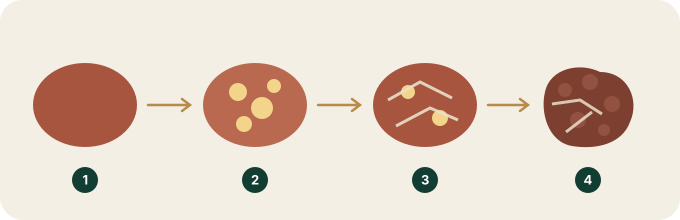
  1. Healthy liver
  2. Fat accumulation (steatosis)
  3. Inflammation and fibrosis (MASH and its progression)
  4. Cirrhosis: lasting structural change

In the early stages, lifestyle change can halt progression, and some changes can reverse. Schematic drawing.

01

Fatty liver: MASLD/MASH

It is an excess build-up of fat in the liver, most often linked to metabolic factors such as weight, blood sugar and blood pressure.

Fatty liver has been called MASLD (metabolic dysfunction–associated steatotic liver disease) since 2023; its former name was NAFLD. Besides fat in the liver, at least one cardiometabolic criterion is present, such as excess weight, high blood sugar, blood pressure or blood fat levels. When inflammation and cell damage are added, it is called MASH (metabolic dysfunction–associated steatohepatitis). The process can move from fatty liver to MASH, fibrosis and cirrhosis. In the early stages (fatty liver, MASH and mild fibrosis), lifestyle change can often halt and partly reverse this course; once cirrhosis has developed, the damage is largely permanent. The key factor is the stage of fibrosis. For this reason, early diagnosis matters.

Symptoms

  • Most people have no symptoms for a long time
  • Mild heaviness or discomfort in the upper right abdomen
  • Persistent tiredness and weakness
  • Enzyme elevation found by chance on routine tests
  • Signs of fatty liver on ultrasound
  • Jaundice and abdominal swelling in advanced stages

When to see a doctor

  • When fatty liver or raised enzymes are found
  • If you have diabetes, a large waist, high blood pressure or high blood fats
  • If you drink alcohol regularly
  • If fatty liver has been known for years and never assessed
  • Immediately if jaundice, abdominal swelling or vomiting of blood occurs

How is it diagnosed?

Ultrasound can show fatty change. The FIB-4 score, calculated from age, AST, ALT and platelet count, is used to stage the risk of advanced fibrosis. With intermediate or high values, elastography (a liver stiffness measurement) is performed. Alcohol history and other liver diseases are also reviewed. If needed, a liver specialist makes the assessment.

Treatment and lifestyle

  • In people with excess weight, weight loss should be gradual and sustained. In studies, losing about 5% of body weight was linked to less liver fat, 7-10% to less inflammation (MASH) and 10% or more to improvement in fibrosis; the response differs from person to person.
  • Mediterranean-style eating: vegetables, legumes, whole grains, olive oil, walnuts and fish.
  • Swap rather than ban: cheese, eggs, tomatoes and unsweetened tea instead of simit and sweet tea.
  • Avoid sugary drinks, fruit juice and alcohol.
  • Exercise lowers liver fat even without weight loss; aim for at least 150 minutes a week of moderate activity.
  • "Liver detox" products have no proven benefit; medicines are added on top of lifestyle, not instead of it.
LifestyleEnough sleep, avoiding cigarettes and hookah, and keeping diabetes, blood pressure and blood fats under control are also part of the plan.
Related article: Fatty Liver: Small Steps That Start at the Table →
02

Viral hepatitis: an overview of A, B and C

Hepatitis A, B and C are liver inflammations caused by viruses, and they differ in how they spread and how they progress.

Hepatitis A usually spreads through contaminated water and food and often clears on its own. Hepatitis B and C spread through blood and body fluids; B can also pass from mother to baby. These two can become chronic and, over the years, raise the risk of cirrhosis and liver cancer. Vaccines exist for A and B, but not for C. In most people, hepatitis C can be cleared for good with direct-acting antiviral medicines. Reinfection is possible.

Symptoms

  • Chronic hepatitis B and C may cause no symptoms for years
  • Tiredness, loss of appetite and nausea
  • Discomfort in the upper right abdomen
  • Dark urine and pale stools
  • Yellowing of the eyes and skin (jaundice)
  • Fever, muscle and joint aches in acute hepatitis

When to see a doctor

  • When hepatitis B or C positivity is found
  • When jaundice or dark urine is noticed
  • If hepatitis B or C is present in the family or a risky exposure occurred
  • If the hepatitis B screening test is positive in pregnancy
  • Before chemotherapy or treatment that suppresses immunity

How is it diagnosed?

Blood tests look for hepatitis markers (such as HBsAg and anti-HCV). If positive, the amount of virus is measured and liver enzymes and fibrosis level are assessed; elastography may be used. Anti-HBs and hepatitis A antibody results show whether vaccination is needed. Before chemotherapy or immune-suppressing treatment, anti-HBc is checked together with HBsAg.

Treatment and lifestyle

  • Vaccination protects against hepatitis B; review your vaccine status with your physician.
  • Chronic hepatitis B needs regular follow-up; some people start antiviral treatment, and ultrasound surveillance for liver cancer may be needed depending on risk.
  • In most people, hepatitis C can be cured for good with direct-acting antiviral medicines; the physician decides on treatment.
  • Hand hygiene, safe water and vaccination protect against hepatitis A.
  • Do not share razors, toothbrushes, needles or other items that touch blood.
  • Avoid alcohol; do not use herbal supplements without asking your physician.
LifestyleEating a balanced diet and staying physically active also help protect the liver.
03

Liver cirrhosis

Cirrhosis is the replacement of healthy liver tissue by scar tissue after long-standing liver damage.

Cirrhosis develops when the liver is damaged for years by causes such as viral hepatitis, alcohol, fatty liver or autoimmune disease. As a result, liver function declines. It may cause no symptoms at first. As it advances, complications such as fluid in the abdomen, bleeding and confusion can occur.

Symptoms

  • Most people have no symptoms at first
  • Tiredness, muscle loss and reduced appetite
  • Swelling of the abdomen and legs
  • Jaundice and itching of the skin
  • Easy bruising or bleeding
  • Forgetfulness, poor concentration and disturbed sleep

When to see a doctor

  • For checkups at the intervals your physician sets if cirrhosis is known
  • Right away for rapid abdominal swelling, fever or abdominal pain
  • Urgently for vomiting blood or black stools
  • Urgently for confusion or a change in behavior
  • Before starting any new medicine or herbal product

How is it diagnosed?

Blood tests, ultrasound and elastography show liver stiffness. A low platelet count and scores such as FIB-4 give clues. A biopsy is done when needed. The cause is investigated, and endoscopy checks for enlarged veins in the esophagus (varices).

Treatment and lifestyle

  • Treating the cause (antiviral treatment, stopping alcohol, and, in suitable patients, physician-supervised weight management) may slow progression.
  • Stopping alcohol completely and permanently is recommended.
  • Endoscopy and, if needed, preventive treatment are planned for the risk of variceal bleeding.
  • Ultrasound is done at regular intervals, usually every 6 months, to screen for liver cancer.
  • Painkillers and herbal products are not used without asking your physician.
  • Hepatitis A, hepatitis B, flu and pneumococcal vaccines are reviewed.
LifestyleTo prevent muscle loss, enough protein and regular meals matter, along with salt restriction if your physician advises it and light activity.
04

Autoimmune and bile duct liver diseases: autoimmune hepatitis, PBC, PSC

In these diseases the immune system damages the liver or the bile ducts, and they need long-term follow-up.

Autoimmune hepatitis is an attack of the immune system on liver cells. Primary biliary cholangitis (PBC) affects the small bile ducts, while primary sclerosing cholangitis (PSC) affects the larger bile ducts. PBC is seen mostly in middle-aged women. PSC occurs mostly in men and often together with inflammatory bowel disease. Early diagnosis and follow-up can help prevent cirrhosis.

Symptoms

  • Most people have no symptoms for a long time; the disease is found through raised enzymes
  • Tiredness and weakness
  • Itching of the skin, especially in PBC and PSC
  • Jaundice
  • Discomfort in the upper right abdomen or joint pain
  • Dry mouth and dry eyes in PBC

When to see a doctor

  • When enzyme elevation without a clear cause persists
  • When itching or jaundice lasts a long time
  • If you have inflammatory bowel disease and abnormal liver tests
  • If jaundice with fever and abdominal pain develops in a known disease
  • If new symptoms or worsening blood tests appear during treatment

How is it diagnosed?

Blood tests check liver and bile duct enzymes. Autoantibodies (such as ANA, smooth muscle antibody and AMA) and the serum IgG level are looked for. Magnetic resonance cholangiography (MRCP) shows the bile ducts. In autoimmune hepatitis, a liver biopsy usually supports the diagnosis. Other causes are excluded.

Treatment and lifestyle

  • Autoimmune hepatitis is kept under long-term control with immune-suppressing medicines; do not stop them without asking your physician.
  • In PBC, a bile acid medicine (ursodeoxycholic acid) is the basic treatment; response is monitored.
  • In PSC there is no proven medicine that halts disease progression; complications and cancer risk are monitored.
  • If bowel disease is present, regular colonoscopy follow-up is needed.
  • Treatments your physician recommends can be used for itching; bone health is also monitored.
  • In advanced cirrhosis, liver transplantation may be an option.
LifestyleAvoiding alcohol and herbal supplements, quitting smoking and eating a balanced diet help protect the liver.
05

Raised liver enzymes: causes and approach

Raised ALT and AST suggest possible damage to liver cells, and the cause should be investigated.

ALT and AST are enzymes that leak into the blood when liver cells are damaged. The rise is often found on a routine test without any symptoms. The most common causes are fatty liver, alcohol, medicines, herbal products and viral hepatitis. Autoimmune and metabolic diseases are less common causes. The enzyme level alone does not show how severe the disease is.

Symptoms

  • Most people have no symptoms at all
  • Tiredness, loss of appetite or nausea
  • Pain or fullness in the upper right abdomen
  • Dark urine and jaundice
  • Itching of the skin

When to see a doctor

  • If the rise persists on repeat tests
  • Promptly if enzymes are very high or jaundice is present
  • If they rose after starting a new medicine or herbal product
  • If you have diabetes, excess weight or regular alcohol use
  • If there is a family history of liver disease or hepatitis

How is it diagnosed?

The physician asks about medicines, herbal products, alcohol and family history. Tests are repeated; hepatitis markers, blood count, blood sugar and blood fats are checked and an ultrasound is requested. If needed, autoimmune and metabolic tests, FIB-4 and elastography are added.

Treatment and lifestyle

  • The cause is investigated first; treatment depends on the cause.
  • Tell your physician about all medicines and herbal products you use.
  • Avoid alcohol; it adds to liver damage.
  • If fatty liver is the cause, weight loss, Mediterranean-style eating and exercise are recommended.
  • Enzymes are rechecked at the intervals your physician recommends.
  • Some herbal supplements can harm the liver; "detox" products have no proven benefit.
LifestyleRegular activity, avoiding sugary drinks, weight control and enough sleep may help enzyme levels improve.
Related articles
The clinical visit

What to Expect at a Lifestyle Medicine Visit

In lifestyle medicine, a visit looks beyond a single disease and brings sleep, eating, movement and mood into the conversation. How does a visit unfold, which skills does the physician use, and why does follow-up matter? A roadmap based on a presentation.

4 min read →
Movement

Every Step Counts: The Overlooked Benefits of Movement

Physical activity is a highly beneficial yet rarely discussed prescription. How much is enough, how do you begin, and why do small movements matter? A plain-language guide based on a presentation.

4 min read →
Substance use

Addiction Is Not a Weakness but a Chronic Health Condition

People with substance use disorder often do not get the help they need. Based on a lecture presentation, this article looks at tobacco, alcohol and other substances without blame, covering the risks, the benefits of quitting and the small steps that can be taken.

4 min read →
Heart health

The Small Habits That Protect Your Heart

Cardiovascular disease is still the most common cause of death, yet a large share of the risk is tied to everyday habits. The presentation shows how steps on smoking, salt, movement and diet work alongside medication, not instead of it.

4 min read →
Obesity

Obesity: Reading the Whole Picture, Not Just the Weight

Body mass index is a starting point, not a diagnosis. Obesity is a chronic condition that needs lifelong management, from measurement to treatment. Lifestyle, medication and surgery are not rivals but options that complement one another.

5 min read →
Liver

Fatty Liver: Small Steps That Start at the Table

Fatty liver now goes by the name metabolic dysfunction-associated steatotic liver disease, or MASLD. It often advances without symptoms, and the stage of scarring largely decides its course. In the early stages, sustainable steps on weight, food, movement and alcohol can benefit the liver.

5 min read →
Women’s health

From Pregnancy to Menopause: Lifestyle in Women’s Health

Nutrition, movement, breastfeeding, contraception, screening and menopause: in women’s health, lifestyle shapes not only today but the next generation too. The article is based on a presentation.

5 min read →
Other areas

The information on this page is for general information only and does not replace personal diagnosis or treatment. Please consult a physician about your symptoms.

Take the first step for your digestive health.

Call the Biruni University Hospital call center or book an appointment online.

Book an Appointment →