
Medication treats; habits heal.
Evidence-based behavioral interventions to prevent, treat and, where possible, reverse chronic disease.
What is lifestyle medicine?
Lifestyle medicine is a branch of medicine. It places evidence-based interventions in sleep, physical activity, nutrition, stress management, avoiding risky substances and social connection at the center of care. A large share of chronic conditions, such as type 2 diabetes, hypertension and fatty liver, is closely tied to daily habits.
The digestive system is one of the areas where this approach can make a clear difference: what we eat directly affects the gut, and the gut is linked with immunity, metabolism and mood.
Conditions that often benefit from this approach
- Fatty liver (metabolic dysfunction–associated steatotic liver disease, MASLD)
- Reflux and functional stomach symptoms
- Irritable bowel syndrome
- Celiac disease and diet-related problems
- Supportive care in inflammatory bowel disease
- Constipation and bloating
Lifestyle guidance does not replace medication or procedures; it is planned alongside them, tailored to the patient’s real life.

Every person is a work in progress.
Just as a block of raw stone is shaped slowly, a healthy life is not built in a day: step by step, patiently, a little more each day. Lifestyle medicine supports this work with science and helps you plan together what to change, how much, and in what order.
The goal is progress, not perfection.
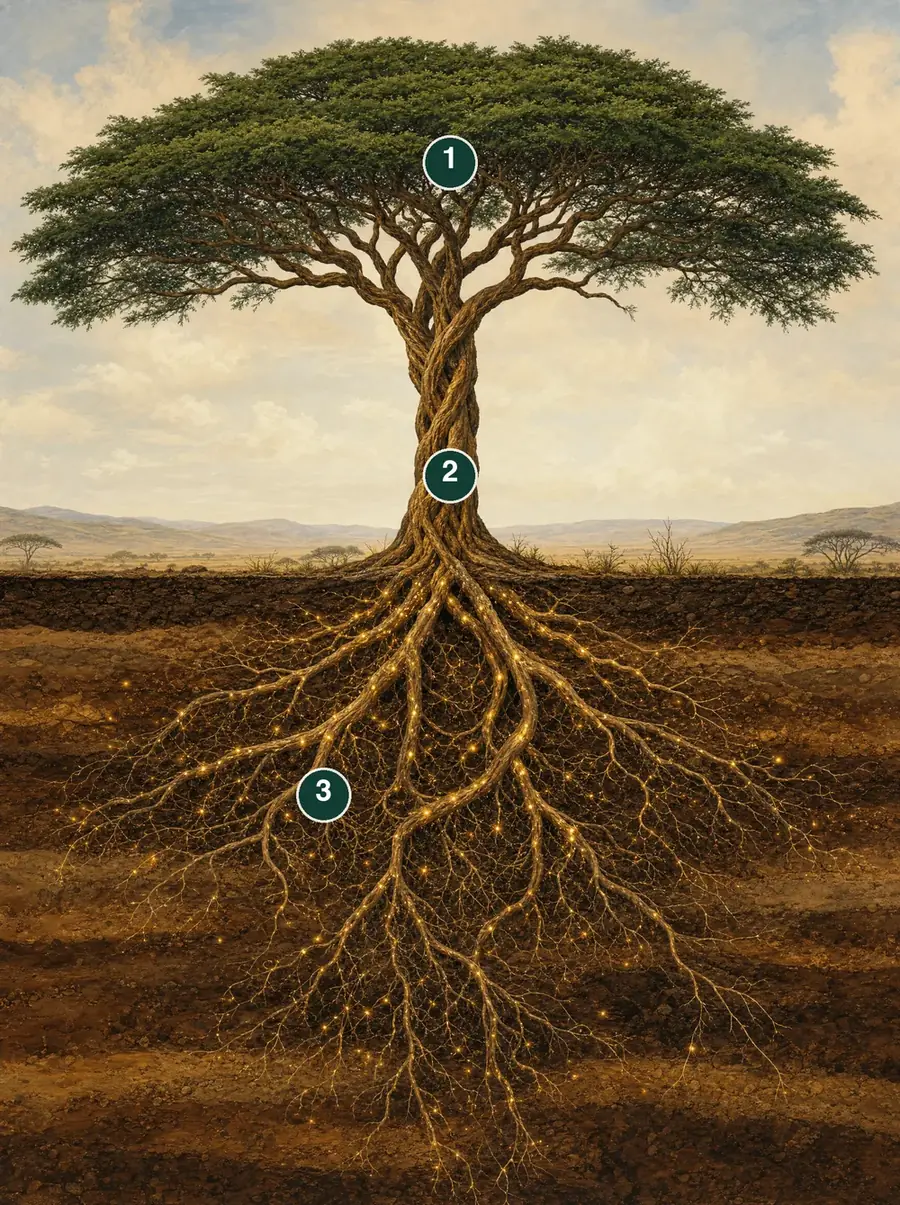
Looking past the symptom to the root
The aim is not only to correct a symptom or a lab value, but to understand the habits and conditions that feed them and, when needed, to look for ways to change them.
- Symptoms: your symptoms and what you notice day to day.
- Diagnoses and findings: examination, laboratory tests, imaging and endoscopy.
- Underlying conditions that feed them: nutrition, activity, sleep, stress, substance use, relationships and environment.
While symptoms and findings are treated, the root conditions that feed them are addressed too. Schematic drawing.
What else is addressed in a lifestyle medicine visit?
A lifestyle medicine visit includes the usual medical assessment and also covers your habits, goals and living conditions.
| At every medical visit | At a lifestyle medicine visit, in addition | |
|---|---|---|
| Reason for visit | Complaint and diagnosis | Besides the complaint, what you want to change about your health and your goals |
| History | Medical history, medications, family history | Nutrition, physical activity, sleep, stress, substance use, social connection and living conditions are explored in detail |
| Assessment | Examination and necessary tests | Habits and risk levels are determined with measurements and standard scales |
| Readiness for change | Not usually explored separately | How important change is to you, your confidence and your barriers are discussed together |
| Plan | Treatment plan | A lifestyle prescription: a few prioritized, small and measurable goals |
| Follow-up | Follow-up visit | Regular follow-up in which goals are reviewed together and the plan is updated |
| Role of the physician | Diagnoses and recommends treatment | Educator and companion: decisions are made together |
What is assessed during the visit?
The patient questionnaire has two parts: the part you complete and the part the physician completes during the visit. The aim is to look beyond a single complaint to the root cause and individual priorities.
Your reasons and goals
Why you came today and what you most want to change about your health, in your own words.
Medical history and medications
Diagnoses, surgeries, medications, vitamins and herbal products (some can harm the liver), allergies and illnesses in first-degree relatives.
Readiness for change
How important lifestyle change is to you and how confident you feel (0–10); up to three areas you want to prioritize; what holds you back.
Nutrition
How often you ate different foods in recent weeks, meal pattern, late-night eating and adherence to a Mediterranean-style diet.
Example tool: MEDAS
Physical activity
Weekly moderate-to-vigorous activity, strength training, daily sitting time and what makes movement difficult.
Sleep
Bed and wake times, sleep duration and quality, shift work, screen habits and signs of sleep apnea.
Example tool: STOP-Bang
Mood and stress
Symptoms of depression and anxiety, perceived stress, well-being, sources of stress and coping strategies.
Example tools: PHQ, GAD, WHO-5, PSS
Smoking, alcohol and other substances
Amount and duration of use, readiness to quit, alcohol-use pattern.
Example tool: AUDIT
Social connection and meaning
Whether you have someone to turn to, feelings of loneliness, sense of meaning and belonging to a community.
Example tool: UCLA
Environment and living conditions
Your work and working hours, access to green space, environmental exposures.
Digestive system
Reflux, abdominal pain and bowel habits (Bristol stool scale), trigger foods, colon cancer screening and H. pylori history.
Women’s health
Pregnancy history, breastfeeding, menopausal status and menstrual regularity.
Measurements
Height, weight, waist, hip and neck circumference, blood pressure, pulse, oxygen saturation and grip strength.
Laboratory
Cholesterol profile, fasting glucose, HbA1c, liver enzymes, kidney function and urine albumin.
Risk assessment
Calculation of cardiovascular, diabetes and liver-fibrosis risk.
Example tools: SCORE2, FINDRISC, FIB-4, LE8
How is the information interpreted and the plan built?
First, the patient questionnaire
Before the visit, you complete a patient questionnaire covering nutrition, physical activity, sleep, stress, substance use and social life, and describe your goals and symptoms in your own words.
Measurements and labs
Physical examination, measurements and necessary blood tests are performed.
Risk and priorities
Scores and risk calculations are not a diagnosis but the starting point of the conversation; priorities are chosen together.
Lifestyle prescription
A few clear goals become a written plan; a follow-up visit is scheduled and progress is reviewed together.
The six pillars of lifestyle medicine
Sleep
Circadian rhythm and digestion
Irregular or insufficient sleep is linked with reflux, appetite regulation, blood sugar and bowel symptoms.
- Adults generally aim for 7–9 hours of sleep.
- Set a fixed bed and wake time, weekends included.
- If you have reflux, avoid heavy meals 2–3 hours before bed.
- Reduce screens in the last hour before bed; see a physician about loud snoring or pauses in breathing during sleep.
Physical activity
Movement is good for the gut too
Regular movement benefits bowel motility, blood sugar and blood pressure, and can reduce liver fat even without weight loss.
- Aim for at least 150 minutes of moderate activity per week (brisk walking, cycling, swimming).
- Add two days of strength training per week.
- Break up long sitting; stand up for a few minutes every hour.
- A short walk after meals can help blood-sugar response and digestive comfort in many people.
Nutrition
A plant-forward, Mediterranean-style pattern
Nutrition affects the gut microbiota, blood sugar, blood pressure and liver fat. The aim is not a list of forbidden foods but gradually shifting the balance of what is on the plate.
- Place vegetables, legumes, whole grains, nuts and olive oil at the center of meals.
- Reduce sugary drinks and processed meats (sausages, salami, cured meats).
- Small swaps: whole-grain bread instead of white bread, baked or grilled instead of fried.
- In conditions such as celiac disease, inflammatory bowel disease or irritable bowel syndrome, diet is individualized and planned with a dietitian; avoid starting elimination diets on your own.
- In weight management the goal is gradual, sustainable loss.
Stress management
The gut-brain axis, meaning and virtue
Stress can trigger irritable bowel and reflux symptoms. Stress management is not only a breathing technique; it also concerns meaning, values and relationships in life.
- Slow diaphragmatic breathing and brief mindfulness practices can be added to the daily routine.
- Cognitive-behavioral approaches and structured stress programs are evidence-based options; seek mental-health support when needed.
- Short walks in nature reduce tension for many people.

Being virtuous, being a good person
Tension often comes not only from a busy pace but from a gap between our values and our actions, from a lack of meaning, and from loneliness. Observational studies report that a sense of purpose, belonging to a community and being useful to others are associated with greater well-being and better health outcomes.
Small practices: write one gratitude sentence each evening; name your values and act on one of them this week; help someone once a week without expecting anything back; be forgiving toward yourself and others. Patient work on oneself nourishes inner peace over time.
The acacia is a hardy tree that takes root and turns green again even in harsh conditions; here it stands as a symbol of renewal and character.
Avoiding risky substances
Reducing risk
Smoking and alcohol are major risk factors for stomach, liver, pancreatic and bowel disease. Quitting or cutting down is planned with support.
- Quitting smoking is one of the most important steps for health; support and, when needed, medication improve the chances of success.
- Reducing or stopping alcohol benefits liver and pancreatic health.
- Herbal remedies and supplements can harm the liver; tell your physician what you take.
- Regular use of painkillers can irritate the stomach; do not keep taking them without medical advice.
Social connection
Support strengthens adherence
Loneliness and social isolation have been linked with poorer health outcomes in observational studies. Supportive relationships can make change easier to sustain.
- Spend face-to-face time with at least one person each week.
- Joining a group, volunteering or taking up a shared pursuit can strengthen the sense of community.
- Involving family or loved ones can improve adherence.
Eight small steps
No need to change everything at once. Pick one and try it for a week.
Look at your own balance
Rate where you are today in six areas from 0 (very weak) to 10 (very good). The result is drawn only in your browser; nothing is sent anywhere, and it is not a medical assessment.
Your lowest-scoring area may be a good place for a first small step.
3rd National Lifestyle Medicine Symposium
The symposium will address the scientific foundations and practice of lifestyle medicine.
Visit the symposium website →Take the first step for your digestive health.
Call the Biruni University Hospital call center or book an appointment online.